


The moment you swallow your final dose of medication is often when the most critical work begins. In the medical world, we frequently focus on the “attack phase”—the window of time where drugs or interventions are actively fighting a condition. However, true health is regained in the “stabilization phase” that follows. At MedFactorRx, we define aftercare as the period where your body moves from a state of chemical reliance back to its natural, self-sustaining rhythm. Without a strategic approach to this transition, even the most successful treatments can leave you feeling depleted or vulnerable to relapse.
One of the most overlooked aspects of this journey is Metabolic Washout. Every pharmaceutical agent has a “half-life,” and even after the primary therapeutic window closes, residual metabolites remain in your tissues. During this time, your liver and kidneys are under a unique form of physiological stress as they filter these leftovers. Supporting these organs isn’t about trendy “detoxes”; it is about providing the specific micronutrients and hydration levels necessary for the cytochrome P450 enzyme system to function at its peak. When you prioritize cellular hydration and clean nutrition during this washout, you significantly reduce the “brain fog” and fatigue that many patients mistakenly assume is just part of being sick.
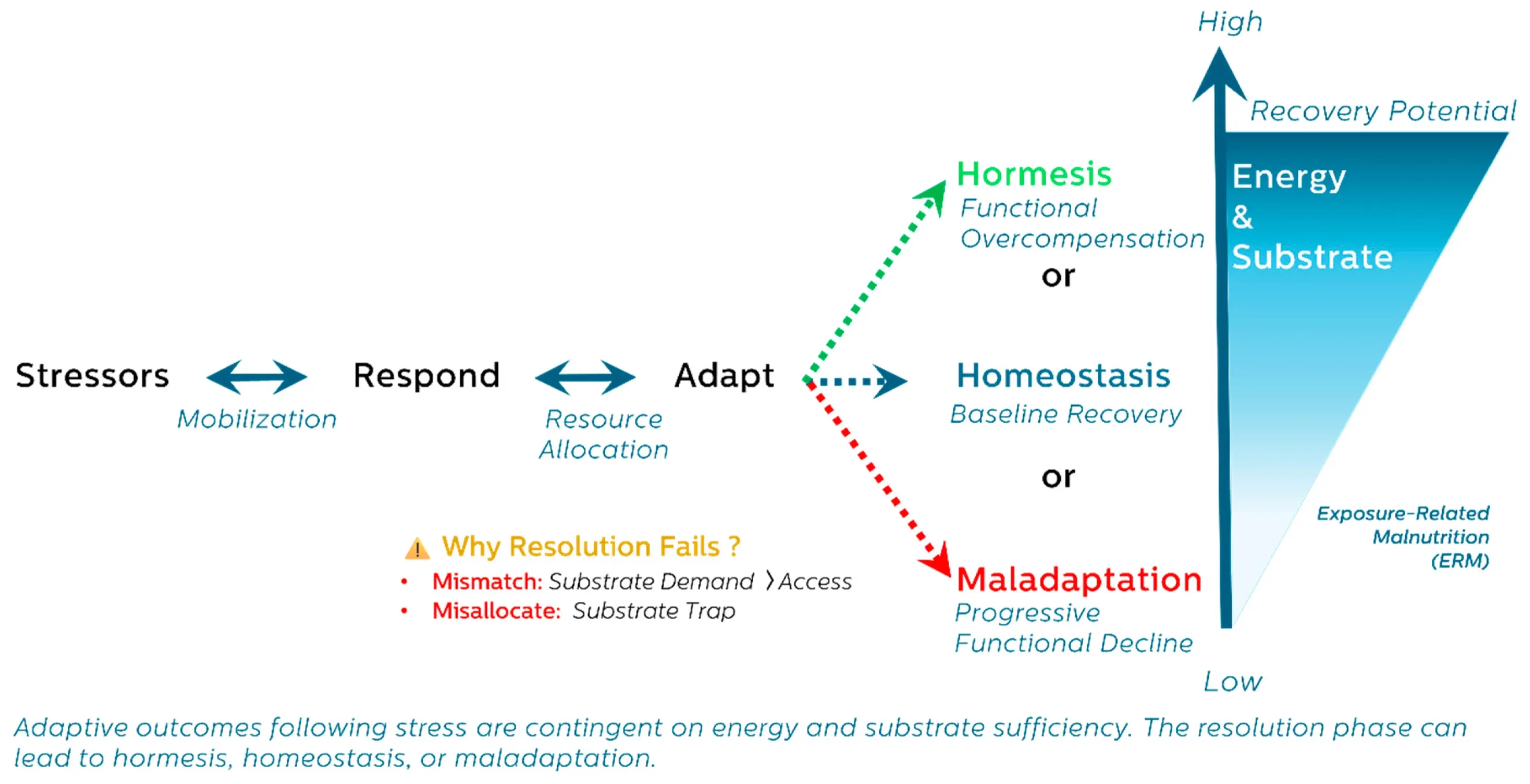
As illustrated in the Adaptive Recovery Framework (Figure 1), the body’s response to the stressors of medical intervention is contingent upon **Substrate Sufficiency**. When the biological demand for recovery exceeds the accessible resources—such as energy, electrolytes, and amino acids—the system can slip into a state of “Maladaptation.” This leads to a progressive functional decline rather than the intended return to baseline homeostasis. To achieve “Hormesis”—where the body actually becomes stronger following the stress of treatment—we must ensure that the resource allocation phase of aftercare is supported by precise nutritional and physiological interventions.
“Recovery is not a passive event; it is a metabolic demand that requires as much precision as the initial diagnosis.”
Furthermore, recovery must address the Microbial Recovery Gap. Modern treatments, while lifesaving, can be “scorched earth” events for your internal ecosystem, particularly the gut microbiome. Since nearly 70% of your immune system resides in your digestive tract, finishing a course of treatment often leaves you with a weakened defense system. A high-level aftercare plan focuses on “re-wilding” your internal landscape through fermented foods, prebiotic fibers, and targeted probiotics. This restores the gut-brain axis, which is responsible for everything from your daily energy levels to your emotional stability, ensuring that you don’t just “get over” an illness, but build a more resilient foundation for the future.
Modern medicine often feels like a series of quick fixes, but real healing is rarely found at the bottom of a pill bottle. True recovery is an intricate dance between biological science and the quiet, steady influence of our lifestyle. To move toward total wellness, we have to stop treating the body like a machine with interchangeable parts and start seeing it as a living ecosystem that requires the right internal climate to thrive.
The science of recovery suggests that our physical bodies are deeply influenced by our mental states. Chronic stress isn’t just a mental burden; it’s a physiological roadblock that can actually hinder the body’s ability to knit itself back together. When we introduce restorative practices—whether that’s deep breathing, intentional movement, or simply better sleep hygiene—we signal to the nervous system that the “danger” has passed. This shift allows the body to move its resources away from survival and toward cellular repair.
Building a lasting foundation for health means taking an active role in the process rather than being a passive recipient of care. It’s about finding the sweet spot where advanced diagnostics meet personal intuition. By respecting the body’s need for balance and addressing the root causes of imbalance, we do more than just manage symptoms. We create a version of ourselves that is more resilient, energetic, and truly capable of a full comeback.
Finally, we must acknowledge the Circadian Repair Cycle. Sleep is not merely “rest”; it is a metabolic state of aggressive repair. During deep sleep, the brain’s glymphatic system flushes out cellular debris, and the pituitary gland releases growth hormones to facilitate tissue healing. When patients try to “push through” the recovery phase by returning to high-stress schedules too early, they effectively cut off the body’s ability to repair itself at a cellular level. By honoring the body’s need for extended rest and maintaining a strict circadian rhythm, you allow the physiological “second half” of your treatment to complete its work. At MedFactorRx, we believe that informed aftercare is the bridge between a temporary fix and a lifetime of vitality.
Key Scientific Literature on Total Recovery
-
-
The Lancet: Systemic Recovery Protocols in Post-Acute Pharmaceutical Care
-
Journal of Clinical Medicine: The Role of Hepatic Clearance in Long-term Treatment Success
-
Nature Reviews: Microbiome Restoration and Immune Homeostasis Post-Intervention
-
Harvard Health: The Neurological Impact of Sleep on Tissue Regeneration
-
Clinical Adaptation Studies: Resource Allocation and Maladaptation in Post-Stress Recovery Cycles
-